

Cholesterol is a hot topic in the world of health and nutrition. With heart disease being one of the leading causes of death worldwide, many individuals are paying closer attention to their cholesterol levels and what they eat. But with conflicting information out there, it can be hard to know if you should really be worried about the cholesterol in the foods you consume.
Understanding Cholesterol
Cholesterol is a waxy substance that is found in every cell of your body. It plays a vital role in building cell membranes, producing hormones, and aiding in the digestion of fats. There are two types of cholesterol: HDL (high-density lipoprotein) and LDL (low-density lipoprotein). HDL is known as the “good” cholesterol, as it helps remove LDL, the “bad” cholesterol, from your bloodstream.
The Truth About Dietary Cholesterol
Contrary to popular belief, the cholesterol you consume in your diet has little impact on your blood cholesterol levels. For years, we were told to avoid cholesterol-rich foods like eggs, shrimp, and butter. But recent research has shown that dietary cholesterol has a minimal effect on your cholesterol levels, especially when compared to the impact of saturated and trans fats.
Focus on Saturated and Trans Fats
Instead of worrying about the cholesterol content in your food, it’s more important to focus on limiting your intake of saturated and trans fats. These fats can raise your LDL cholesterol levels and increase your risk of heart disease. Foods high in saturated fats include red meat, full-fat dairy products, and palm oil. Trans fats are found in processed foods like baked goods, fried foods, and margarine.
Eating for Heart Health
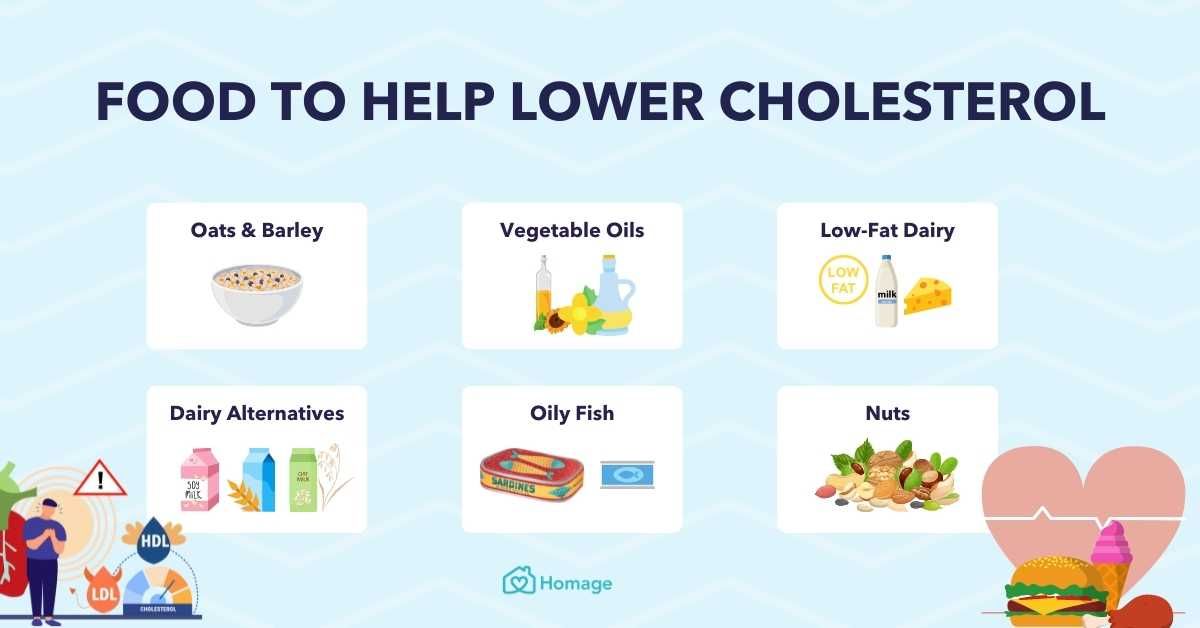
To keep your heart healthy, focus on incorporating more heart-healthy fats into your diet. Foods like avocados, nuts, seeds, and fatty fish (like salmon and mackerel) are rich in unsaturated fats that can help lower your LDL cholesterol levels and reduce inflammation in your body. Additionally, eating a diet high in fiber from fruits, vegetables, and whole grains can also help improve your cholesterol levels.
Conclusion
While cholesterol in food may not be as concerning as once thought, it’s still important to pay attention to the types of fats you’re consuming. By focusing on reducing your intake of saturated and trans fats and incorporating more heart-healthy fats into your diet, you can help support a healthy heart and lower your risk of heart disease. Remember, it’s all about balance and moderation when it comes to cholesterol and your overall health.
So, should you be worried about cholesterol in food? The answer lies in looking beyond just the cholesterol content and focusing on the bigger picture of your overall diet and lifestyle choices.