

Building lean muscle requires a combination of consistent exercise and a nutritious diet. While many people focus solely on their workout routine when trying to build muscle, the truth is that nutrition plays a crucial role in the process. Proper nutrition not only fuels your workouts but also provides your body with the necessary nutrients to repair and grow muscles. In this article, we will discuss a nutrition plan specifically designed to help you build lean muscle effectively.
Caloric Intake
One of the most important factors in building lean muscle is ensuring that you are consuming enough calories. To build muscle, your body needs to be in a caloric surplus, meaning you are consuming more calories than you are burning. A good rule of thumb is to aim for a surplus of 250-500 calories per day. However, it is essential to focus on consuming high-quality calories from lean protein, complex carbohydrates, and healthy fats.
Macronutrients
Protein is the most critical macronutrient when it comes to building lean muscle. Aim to consume around 1 gram of protein per pound of body weight each day. Good sources of protein include lean meats, poultry, fish, eggs, and plant-based sources like legumes and tofu. Carbohydrates are also essential for providing your muscles with energy during workouts. Focus on complex carbohydrates like whole grains, fruits, and vegetables. Lastly, healthy fats are necessary for hormone production and overall health. Include sources like nuts, seeds, avocados, and olive oil in your diet.
Meal Timing
When it comes to building lean muscle, meal timing is crucial. Aim to eat every 3-4 hours to keep your energy levels consistent and provide your muscles with a constant source of nutrients. Before a workout, have a meal that includes both protein and carbohydrates to fuel your workout and help with muscle recovery. After a workout, consume a meal that includes protein and carbohydrates within 30 minutes to an hour to aid in muscle repair and growth.
Hydration
Staying hydrated is essential for building lean muscle. Water plays a crucial role in digestion, nutrient absorption, and muscle function. Aim to drink at least eight 8-ounce glasses of water each day, and more if you are sweating during intense workouts. Additionally, consider consuming electrolyte-rich beverages like coconut water to replenish minerals lost through sweat.
Supplements
While it is possible to build lean muscle with a well-rounded diet, some people may benefit from supplements to support their muscle-building goals. Protein powders, creatine, and branched-chain amino acids (BCAAs) are popular supplements that can aid in muscle recovery and growth. However, it is essential to consult with a healthcare professional before adding any supplements to your routine.
Sample Nutrition Plan
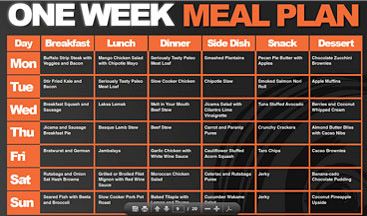
Here is a sample nutrition plan to help you build lean muscle:
Breakfast: Scrambled eggs with spinach and whole grain toast
Snack: Greek yogurt with berries
Lunch: Grilled chicken salad with quinoa and vegetables
Snack: Protein shake with almond butter
Dinner: Baked salmon with sweet potato and asparagus
Remember that everyone’s nutritional needs are different, so it may be helpful to work with a dietitian or nutritionist to create a personalized plan that aligns with your goals and preferences.
Conclusion
Building lean muscle requires a combination of consistent exercise and proper nutrition. By focusing on consuming enough calories, macronutrients, and staying hydrated, you can support your muscle-building goals. Remember that patience and consistency are key when it comes to building lean muscle, so stick to your nutrition plan and stay dedicated to your workout routine. With time and effort, you will see the results you are striving for.