

When it comes to enhancing athletic performance and muscle growth, there are countless supplements on the market that claim to be the next big thing. One supplement that has stood the test of time and been consistently proven effective is creatine. In this article, we will delve into what creatine is, how it works, and why it should be a staple in every athlete’s nutrition regimen.
What is Creatine?
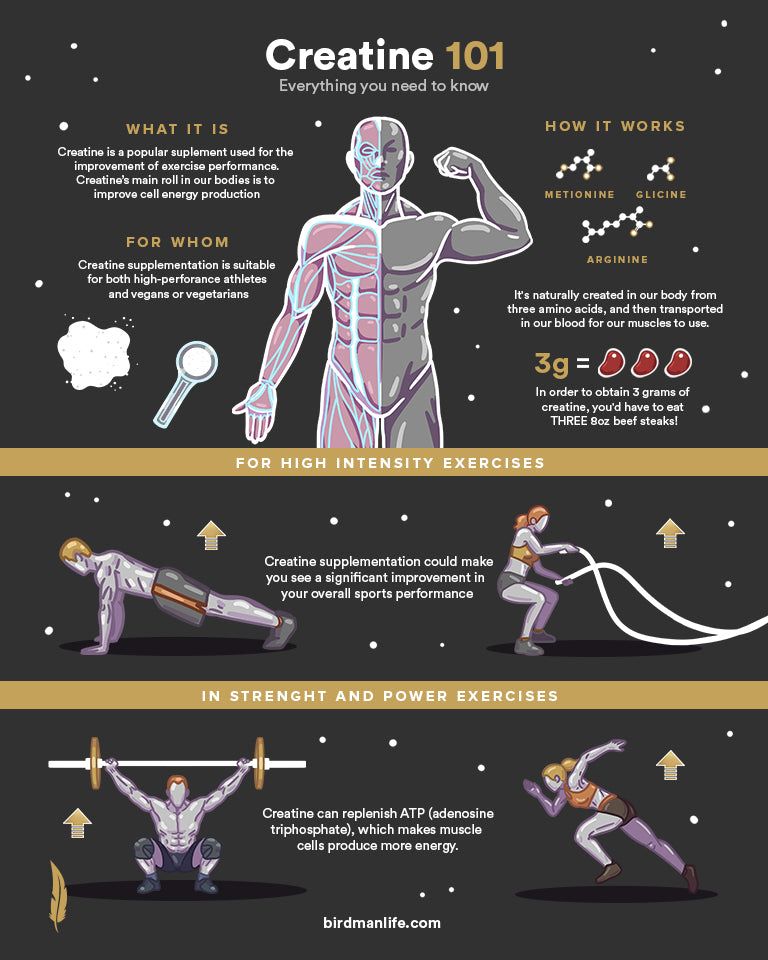
Creatine is a naturally occurring compound found in small amounts in foods like red meat and fish. It plays a crucial role in the production of adenosine triphosphate (ATP), which is the primary energy source for muscle contractions. When you supplement with creatine, you increase the amount of creatine phosphate stored in your muscles, allowing them to produce more ATP during high-intensity exercises like weightlifting and sprinting.
How Does Creatine Work?
By increasing the availability of ATP, creatine helps delay fatigue and improve performance during short bursts of intense activity. This can lead to increased strength, power, and muscle mass gains over time. Additionally, creatine has been shown to hydrate muscle cells, improve recovery, and reduce exercise-induced inflammation, making it an essential supplement for athletes looking to optimize their training and recovery.
Benefits of Creatine Supplementation
Improved strength and power
Increased muscle mass
Enhanced endurance and performance
Quicker recovery between workouts
Reduced exercise-induced inflammation
How to Take Creatine
For most athletes, a daily dose of 3-5 grams of creatine monohydrate is sufficient to reap the benefits of supplementation. It is best taken post-workout with a source of carbohydrates to maximize absorption. Some athletes choose to do a loading phase of 20 grams per day for the first week to saturate their muscles with creatine quickly, followed by a maintenance dose of 3-5 grams per day thereafter.
Considerations and Side Effects
Creatine is generally safe for most people when taken in recommended doses. However, some individuals may experience bloating, stomach cramps, or water retention. It is crucial to stay hydrated while taking creatine to prevent these side effects. Additionally, individuals with kidney issues or those who are pregnant or breastfeeding should consult with a healthcare professional before taking creatine.
Conclusion
Creatine is a tried and true supplement that has been shown to improve athletic performance, muscle growth, and recovery. By understanding how creatine works, how to take it, and any potential side effects, athletes can leverage this powerful supplement to take their training to the next level. Whether you are a professional athlete or a weekend warrior, creatine can be a game-changer in your sports nutrition regimen.