

When it comes to nutrition, there is a lot of misinformation out there. From fad diets to unproven supplements, it can be hard to separate fact from fiction. But fear not, as science is here to set the record straight. In this article, we will debunk 10 common nutrition myths using evidence-based research.
Myth 1: Carbs are bad for you
Contrary to popular belief, carbs are not inherently bad for you. In fact, they are an essential source of energy for your body. The key is to choose complex carbohydrates like whole grains, fruits, and vegetables, rather than processed carbs like white bread and sugary snacks.
Myth 2: Eating fat makes you fat
Not all fats are created equal. In fact, healthy fats like those found in avocados, nuts, and olive oil can actually help you maintain a healthy weight. It’s the trans fats and saturated fats you need to watch out for, as they can increase your risk of heart disease and other health problems.
Myth 3: Eating late at night will make you gain weight
It’s not when you eat, but what you eat that matters. The key is to focus on nutrient-dense foods throughout the day, and listen to your body’s hunger cues. If you’re hungry at night, go ahead and have a healthy snack. Just avoid high-calorie, low-nutrient foods like chips and candy.
Myth 4: You need to detox your body regularly
Your body is already equipped with its own detox system – your liver and kidneys. There is no need to go on a juice cleanse or other extreme detox diets. Instead, focus on eating a balanced diet rich in fruits, vegetables, and whole grains to support your body’s natural detoxification processes.
Myth 5: You need to eat every few hours to keep your metabolism up
Your metabolism is not as easily influenced by meal timing as some may think. What matters more is the overall quality of your diet and the balance of macronutrients. Eating when you’re hungry and stopping when you’re satisfied is a better approach than forcing yourself to eat every few hours.
Myth 6: Protein is the most important nutrient
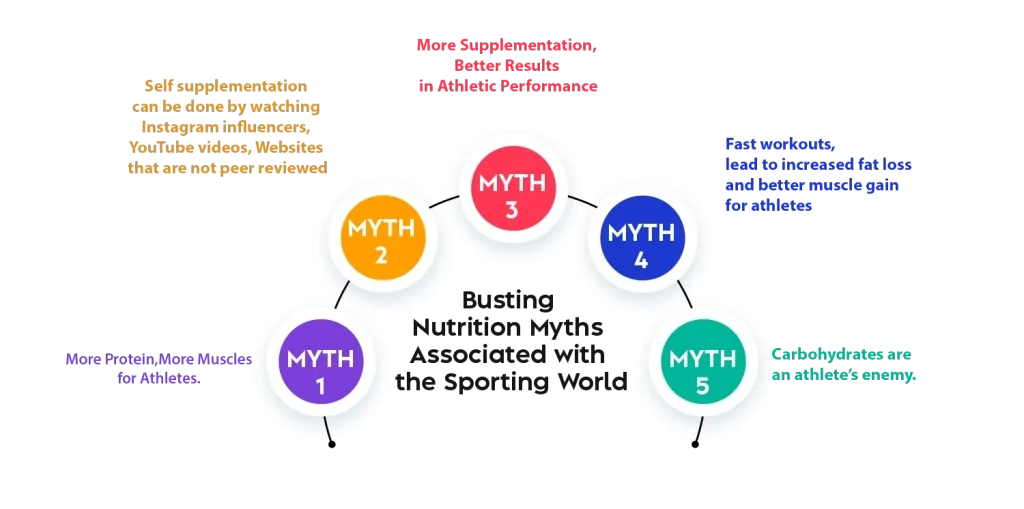
While protein is important for muscle repair and growth, it’s not the only nutrient your body needs. A balanced diet that includes a variety of foods like fruits, vegetables, whole grains, and healthy fats is essential for overall health. Don’t rely solely on protein supplements for your nutrition needs.
Myth 7: Organic food is always healthier
While organic food is often touted as being healthier, it’s not always the case. Organic produce may have fewer pesticide residues, but it’s still important to wash and prepare all fruits and vegetables properly. The most important thing is to focus on eating a variety of fruits and vegetables, whether they’re organic or not.
Myth 8: Supplements can make up for a poor diet
No amount of supplements can replace a healthy, balanced diet. While supplements can be helpful for certain populations like pregnant women or those with nutrient deficiencies, they should not be used as a substitute for real food. Focus on getting your nutrients from whole foods whenever possible.
Myth 9: Red meat is bad for your health
While excessive consumption of red and processed meats has been linked to an increased risk of certain diseases, moderate consumption can be part of a healthy diet. Choose lean cuts of meat and incorporate a variety of proteins like fish, poultry, beans, and nuts into your diet for optimal health.
Myth 10: Skipping breakfast is bad for you
Contrary to what you may have heard, skipping breakfast is not inherently bad for you. What matters more is the quality of the foods you’re eating throughout the day. If you’re not hungry in the morning, there’s no need to force yourself to eat. Just be sure to listen to your body’s hunger cues and eat when you’re truly hungry.